Policy vs Practice: The Gap in Inclusive Education
A second year education student at ACU reflects on the confronting gap between Australia's inclusive education policies and what actually happens in classrooms — and why that gap matters for every student with disability.
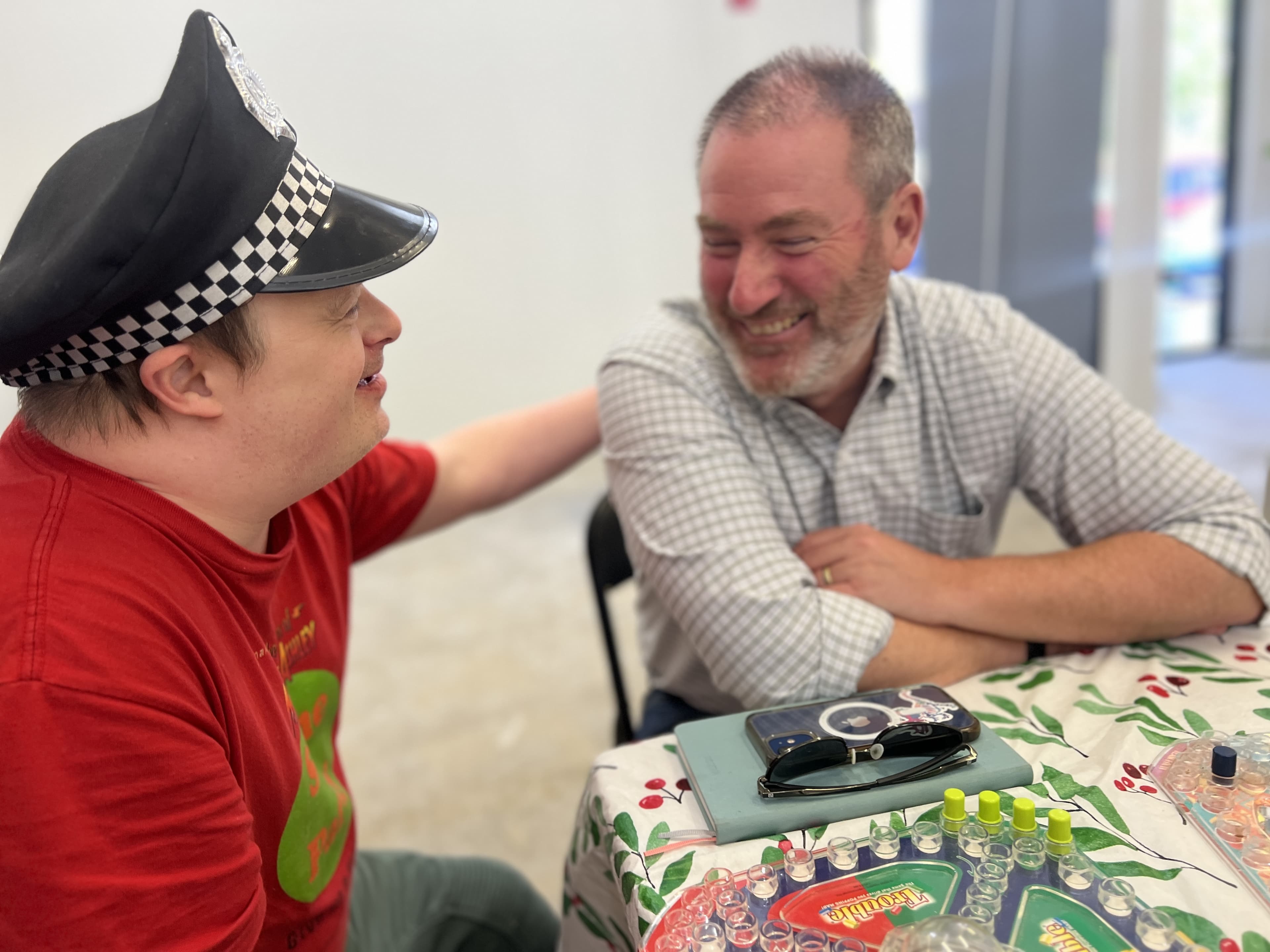
Written by Georgia Horne, 2nd Year Bachelor of Secondary and Special Education Student at ACU.
Approximately 32% to 34% of Australians with disabilities aged 20 and over have completed Year 12 or equivalent, which is roughly half the rate of those without disability (62%–66%). For those with severe or profound disability, the completion rate is lower, at around 25%. According to the Royal Commission the reasons are as follows.
- Schools failing to follow policies and laws when denying or discouraging enrolment of students with disability.
- Schools failing to identify and implement appropriate reasonable adjustments for students with disability.
- Students with disability being inappropriately and repeatedly suspended by schools.
- Defective appeal decisions and inadequate complaints and appeal procedures for students with disability who are suspended.
- Inadequate collection and analysis of data to understand and address the scope of the barriers and problems faced by students with disability.
Are we as a nation satisfied with these statistics? Can we say in the field of education that we are truly inclusive if these factors are still at play?
Hello! My name is Georgia Horne, a second year Bachelor of Secondary and special education student at ACU here in Canberra. Entering the education field, particularly inclusive education, you are presented with a wide range of legislation, policy and regulations that we must uphold to foster an equitable environment for student learning. However, I've been left with questions. Where is this policy in practice? Why is the gap so large? What does it mean to be genuinely inclusive?
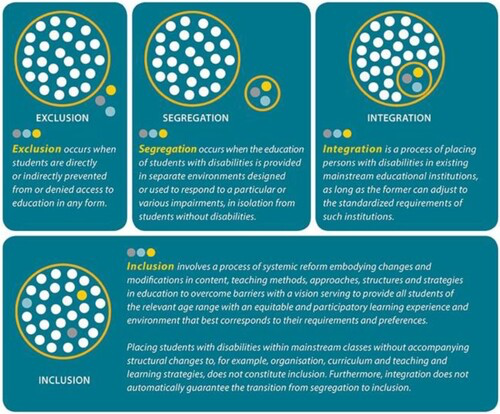
The principals of inclusive education set the guidelines for how we teach students with disabilities, but I'm left with questions of the application in a school setting. As a pre-service teacher, having knowledge of these policies are vital to incorporating into the system with compliance. In Australia, The Disability Standards for Education 2005 complies these principals into 5 categories; enrolment, participation, curriculum development, accreditation and delivery, student support services.
Engaging in the discourse, the gap between policy and practice became apparent. Particularly, "Policy reviews and empirical research have raised concerns about the misalignment between inclusive policy and practice across Australian states..." (Mavropoulou et al., 2021). With this and in anticipation of upcoming placements, it looms in the back of my mind that "pre-service teachers tend to get lost in the tension between their vision of inclusive education and the reality of schools" (Sharma & Sokal, 2016).
Inclusive education is a consistent balance between knowing the principals of social justice and human rights to incorporating them into a practical application. Originally, "education systems across the Australian states and territories were originally created through legislation designed to extend access to an education for students previously excluded from learning or denied a quality education... However, the systems that were subsequently created were never designed to include all students" (Shaddock et al., 2015).
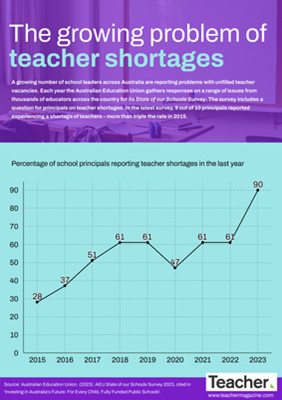
In a flawed system, like a domino effect the issues cannot come purely from one source. Up to 50% of Australian teachers leave the profession within their first five years, with approximately 30% currently considering leaving before retirement. Severe burnout, unmanageable workloads, averaging 46.5 hours weekly, and poor mental health are primary drivers. Australian teachers face significant challenges with inclusive education due to inadequate funding, limited resources, and insufficient training and support. Many report feeling underprepared to support students with diverse needs, leading to inconsistent implementation of inclusive practices across schools.
As a future educator, this reality is not just concerning; it is deeply disheartening. I am entering a profession driven by a genuine desire to support, include, and advocate for every student, yet I am confronted with a system that seems to make that goal increasingly difficult to achieve. The thought of not having the time, resources, or support to meet the diverse needs of my students is not only overwhelming but also challenges the very values that led me to teaching. I want to be part of the solution.
Despite these challenges, I remain hopeful about the future of education and the role I can play within it.
I believe that through advocacy, collaboration, and a commitment to ongoing learning, meaningful change is possible. As a future teacher, I am motivated to be part of a generation of educators who not only recognise these systemic issues but actively work to challenge and reshape them. By building strong relationships, seeking out support, and embracing inclusive practices, we can begin to break the cycle.
This change starts with you. It starts with me. It starts with us being informed, but it cannot end there. It grows through our willingness to question inequities, to advocate for those whose voices are too often unheard, and to support one another in the face of ongoing challenges. It is built in everyday moments, through the choices we make in our classrooms, the empathy we show our students, and the courage we have to push for something better. Call for more support. Call for more resources. Call for funding. Call for change. Call for inclusion — real inclusion.